Vintage Hare Illustration: A Timeless Design Asset
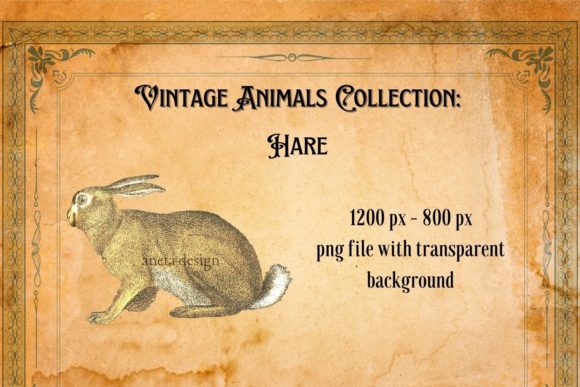
A single, beautifully rendered Vintage Hare Illustration can instantly transport a design, infusing it with a sense of nostalgia, whimsy, and timeless elegance. Sourced from a classic Polish children's book, this particular clipart is more than just a charming image; it's a versatile creative asset that bridges historical artistry with contemporary digital design needs. For graphic designers, marketers, and creators, such a resource is invaluable for adding authentic character and visual depth to a wide array of projects.
The Power of Vintage Aesthetics in Modern Design
In an era dominated by sleek, minimalist aesthetics, the deliberate use of vintage elements like this hare illustration creates a powerful contrast. It captures attention by evoking emotion and storytelling, which is fundamental to effective visual communication. This style works exceptionally well for building a unique brand identity, particularly for brands that value craftsmanship, heritage, or a personal touch. The illustration's detailed linework and organic feel contribute to a rich visual hierarchy, guiding the viewer's eye and establishing a clear focal point within any layout.
Practical Applications for Creative Projects
The true value of a high-quality asset like this lies in its adaptability. Prepared as a 300dpi PNG with a transparent background, it is print-ready and easily integrated into digital workflows. Consider these applications:
- Branding and Logo Design: Use the hare as a standalone emblem or a supporting graphic element to give a brand a distinctive, story-driven personality.
- Marketing and Social Media: Enhance social media graphics, email headers, and digital ads. The illustration's charm boosts engagement and helps content stand out in crowded feeds.
- Editorial and Web Design: Incorporate it into blog post headers, magazine layouts, or website hero sections to add visual interest and break up text-heavy pages.
- Packaging and Merchandise: This is where vintage art shines. Apply it to product labels, gift tags, tote bags, or mugs to create memorable, tactile packaging design and merchandise that customers cherish.
Integrating Assets into a Cohesive Design Workflow
Successfully using a standalone illustration requires thoughtful integration. First, evaluate its compatibility with your project's color palette. You may need to adjust hues to align with brand guidelines while preserving the vintage character. Next, consider typography. Pair the detailed illustration with clean, complementary fonts—perhaps a modern sans-serif for body text—to ensure readability and maintain a professional presentation.
Scalability is also key. Since the file is high-resolution, it will scale gracefully for both small print applications and large formats. Always keep your audience's expectations in mind; a vintage hare might be perfect for a boutique bakery's packaging but less suitable for a cutting-edge tech startup's UI design. The goal is to use the asset to reinforce your message, not distract from it.
Ultimately, curating a library of thoughtful, high-quality creative assets is a cornerstone of efficient and impactful design. Elements like this Vintage Hare Illustration are not mere decorations; they are tools for building emotional connections, enhancing visual storytelling, and elevating the overall quality of your creative output. By selecting and applying such resources with intention, designers can craft experiences that are both aesthetically pleasing and deeply communicative, ensuring every project leaves a lasting impression.