Elevate Your Brand with Thoughtful Reading Planner Stickers
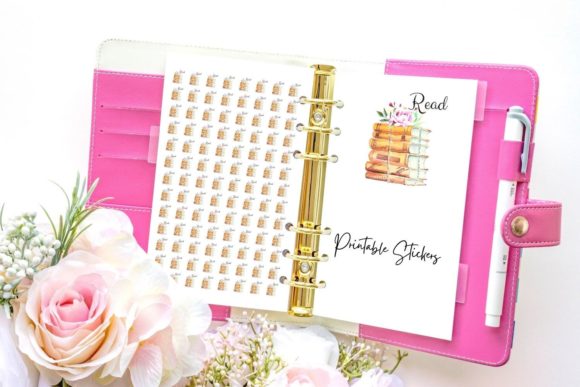
Imagine transforming a simple journal into a powerful communication tool that engages users and strengthens brand recognition. In today's saturated visual landscape, a well-designed Reading Planner Sticker does more than decorate a page—it creates a tactile, memorable experience that bridges digital convenience with analog charm. For graphic designers and brand strategists, these assets offer a unique opportunity to inject personality, improve usability, and create cohesive visual narratives across multiple platforms.
The Strategic Value of Visual Design Elements
Quality creative assets like reading planner stickers serve multiple functions in modern design workflows. They act as both practical tools and brand ambassadors. When thoughtfully designed, these elements contribute to a comprehensive visual identity system. The transparency of a single sticker with a clean background allows for seamless integration into diverse projects, from print layouts to digital mockups. This versatility makes them invaluable for maintaining consistency across all brand touchpoints.
Consider how typography and color palette choices within these stickers communicate subtle messages. A minimalist sticker with elegant typography conveys sophistication, while bold, vibrant designs suggest energy and creativity. These visual cues directly influence user perception and engagement, making careful selection essential for any branding project.
Practical Applications Across Design Disciplines
The utility of well-crafted design elements extends far beyond their original purpose. Here are key applications where reading planner stickers and similar assets can elevate your work:
- Brand Identity Systems: Incorporate consistent visual motifs into stationery, packaging, and promotional materials to reinforce recognition.
- Editorial and Print Design: Enhance magazines, books, and planners with decorative yet functional elements that improve visual hierarchy.
- Digital Marketing: Create engaging social media graphics, email headers, and website visuals that capture attention in crowded feeds.
- Packaging Design: Add premium touches to product packaging that increase perceived value and unboxing experience.
- UI and UX Design: Use iconography and decorative elements to improve user interfaces and create more intuitive digital experiences.
- Presentation and Merchandise: Transform standard slideshows and products into branded experiences that leave lasting impressions.
Selecting and Implementing Design Assets Effectively
When evaluating creative resources, consider these professional guidelines to ensure maximum impact:
- Assess Scalability: Ensure elements maintain clarity and visual integrity across different sizes, from small stickers to large format prints.
- Check Compatibility: Verify that assets work with your existing design software and color profiles to maintain workflow efficiency.
- Evaluate Aesthetic Alignment: Choose elements that complement your brand's visual language rather than clash with established design trends.
- Consider Practical Application: Think about how the asset will function in real-world scenarios—does it improve readability, guide attention, or enhance user experience?
The most effective design choices balance aesthetic appeal with functional purpose. A reading planner sticker that looks beautiful but compromises readability fails its primary mission. Similarly, functional elements that lack visual refinement can diminish perceived quality and brand value.
Creating Cohesive Visual Narratives
In professional graphic design, every element contributes to a larger story. Consistent use of typography, color relationships, and compositional principles creates visual harmony that audiences subconsciously recognize and trust. When incorporating assets like reading planner stickers into your projects, consider how they interact with other design components. Do they support the overall visual hierarchy? Do they enhance or distract from the core message?
The transparent background of quality design assets allows for flexible placement without disrupting existing layouts. This adaptability is crucial for maintaining design integrity across various applications, whether you're creating social media graphics, website interfaces, or print collateral.
Thoughtful design choices—down to the smallest decorative element—communicate professionalism and attention to detail. By selecting and implementing high-quality creative assets with strategic intent, designers can elevate their work from merely functional to truly memorable, creating experiences that resonate with audiences and strengthen brand connections over time.